Archives
- 2026-09
- 2026-08
- 2026-07
- 2026-06
- 2026-05
- 2026-04
- 2026-03
- 2026-02
- 2026-01
- 2025-12
- 2025-11
- 2025-10
- 2025-09
- 2025-03
- 2025-02
- 2025-01
- 2024-12
- 2024-11
- 2024-10
- 2024-09
- 2024-08
- 2024-07
- 2024-06
- 2024-05
- 2024-04
- 2024-03
- 2024-02
- 2024-01
- 2023-12
- 2023-11
- 2023-10
- 2023-09
- 2023-08
- 2023-07
- 2023-06
- 2023-05
- 2023-04
- 2023-03
- 2023-02
- 2023-01
- 2022-12
- 2022-11
- 2022-10
- 2022-09
- 2022-08
- 2022-07
- 2022-06
- 2022-05
- 2022-04
- 2022-03
- 2022-02
- 2022-01
-
The multiple regression analysis showed that testing during
2022-03-23
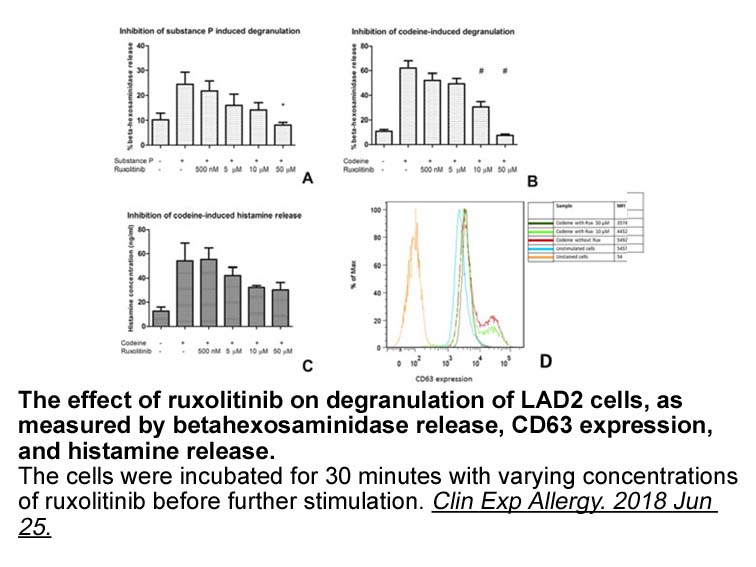
The multiple regression analysis showed that testing during summer and autumn was associated with higher histamine reactivity, which could be associated with the presence of pollen in the air. Gamboa et al. reported that more histamine was released during spring and autumn than during the other two
-
br Role of dynamin in NPRA endocytosis In recent
2022-03-23
Role of dynamin in NPRA endocytosis In recent studies using 125I-ANP binding assay and confocal microscopy, we have examined the role of dynamin in the internalization and trafficking of NPRA in a stably transfected HEK-293 omacetaxine [69]. Our findings indicated that ANP treatment of high-dens
-
Alzheimer s disease AD is a
2022-03-23
Alzheimer's disease (AD) is a neurodegenerative disorder and characterized by the presence of abnormal filamentous protein inclusions in nerve cells of the brain [2]. The neuropathological hallmarks of AD were first reported by Alois Alzheimer and date back to 1907 [3], [4]. These inclusions are for
-
A number of synthetic GPR agonists have been reported
2022-03-22
A number of synthetic GPR119 agonists have been reported to date, several of which have advanced into clinical trials. Reported GPR119 agonists are often composed of three parts as depicted in : a piperidine or a piperazine ring -substituted with a carbamate or a heteroaryl group at the right side,
-
br Conclusions In summary we have designed an ultrasensitive
2022-03-22
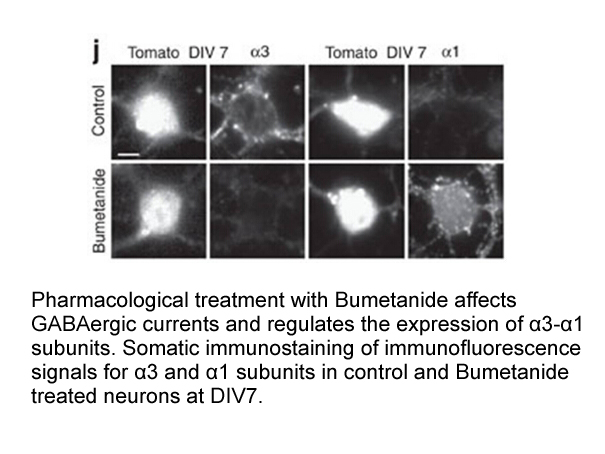
Conclusions In summary, we have designed an ultrasensitive electrochemical assay for hOGG1 based on a ratiometric strategy and HCR assisted amplification. The hOGG1 can specifically identify 8-oxo G site on the DNA probes modified on the electrode surface. The subsequent cleavage reaction trigge
-
57 9 br GR Is a Transcriptional Activator How
2022-03-22
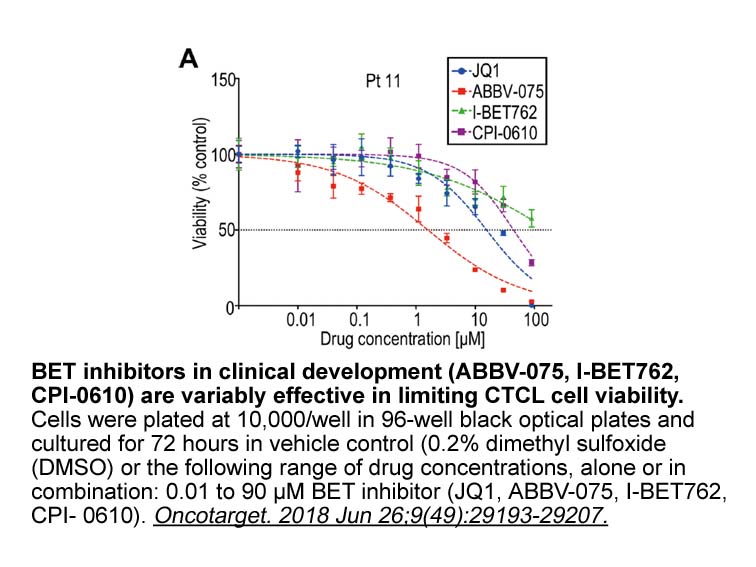
GR Is a Transcriptional Activator How GR activates some genes while repressing others remains unsettled after decades of study. While significant controversy exists regarding GR-mediated repression, a consensus model for transcriptional activation has emerged: GR activates transcription through s
-
Medulloblastoma predominantly occurs in infants and children
2022-03-22
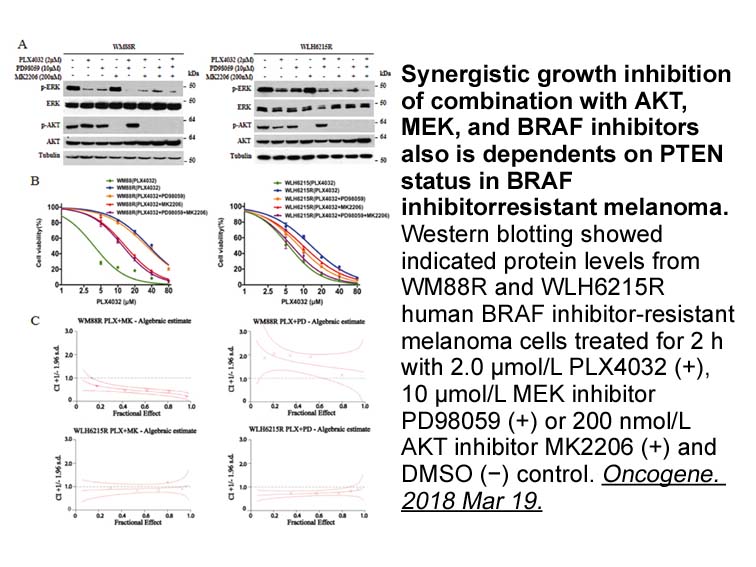
Medulloblastoma predominantly occurs in infants and children, and is the most-common type of paediatric malignant mtor inhibitors tumour, accounting for about 20% of all childhood brain tumors [63]. According to cancer genomics, medulloblastoma consists of at least 4 distinct subgroups: Hh driven, W
-
Ability of D Ala GIP to attenuate the neurobehavioral sequel
2022-03-22
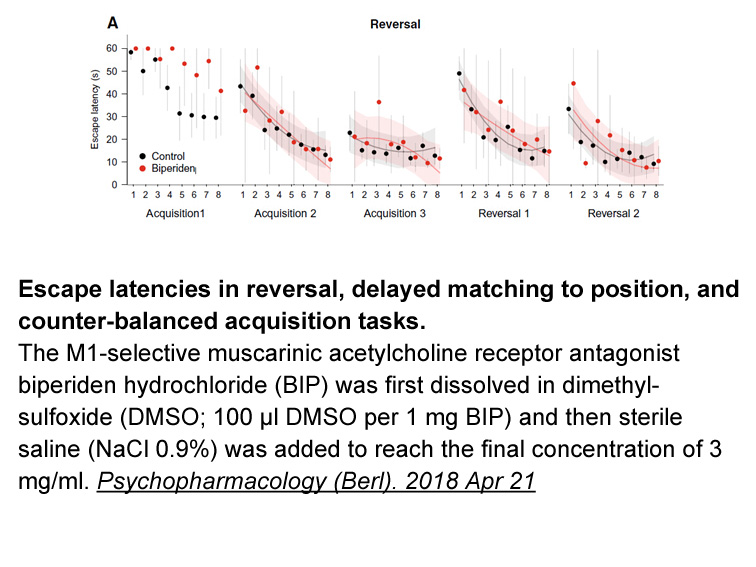
Ability of D-Ala2GIP to attenuate the neurobehavioral sequelae in QA-induced Huntington's disease model by reduction in lipid peroxidation, restoration of endogenous antioxidants and decreased striatal monoamine levels is of potential interest. Considerable preclinical evidence now exists of the pot
-
Growth hormone secretagogue receptor GHSR is a
2022-03-22

Growth hormone secretagogue receptor (GHSR) is a member of G-protein-coupled receptor family [3]. GHSR is predominantly expressed in human pituitary, rhypothalamus and hippocampus [4]. GHSR is also expressed in peripheral tissues including lungs, liver, kidney, and adrenal gland. In cardiovascular s
-
br Acknowledgements This work was supported by
2022-03-22

Acknowledgements This work was supported by grants of the Argentine National Research Council (CONICET, PIP 0662). The authors express their appreciation to the Transmission Electron Microscopy Service (MET) of the Faculty of Veterinary Medicine of the National University of La Plata (Argentina)
-
In addition to attenuating joint inflammation via
2022-03-22
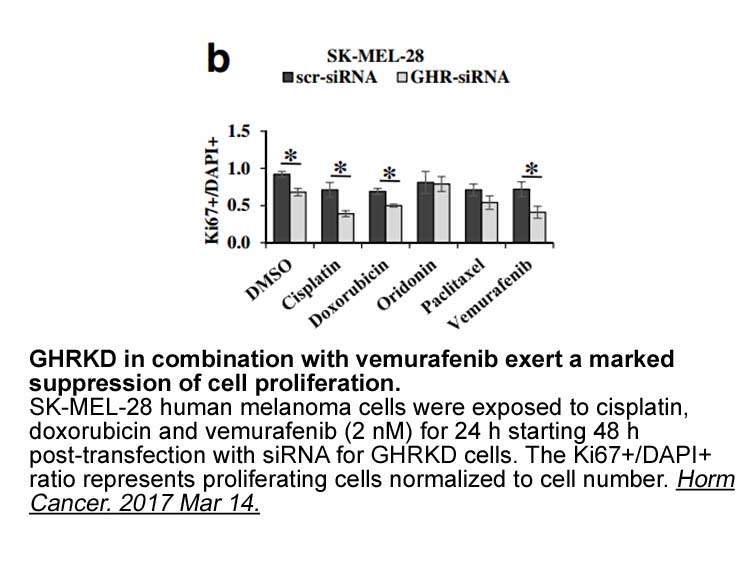
In addition to attenuating joint melk inhibitor via T cells, Cpd43 could also decrease the severity of CIA/AIA by suppressing the function of innate leukocytes such as neutrophils and macrophages via FPRs, as has been shown in other acute inflammatory models including neutrophil/macrophage-mediated
-
Both anxiety like behavior and sucrose
2022-03-22
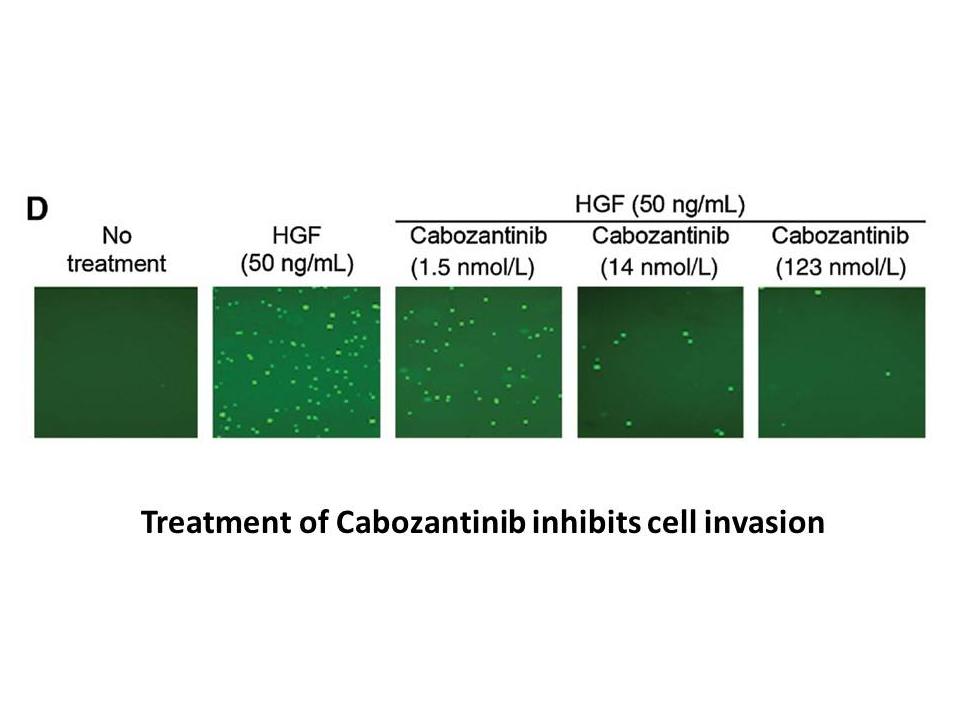
Both anxiety-like behavior and sucrose preference/intake were reduced in GPR40/FFAR1 KO male mice, while social behavior was normal in KO mice. These findings indicate that brain GPR40/FFAR1 is involved in the modulation of anxiety- and depression-like behavior in rodents. Previous studies have demo
-
br Other strategies for ferroptosis In addition to
2022-03-22
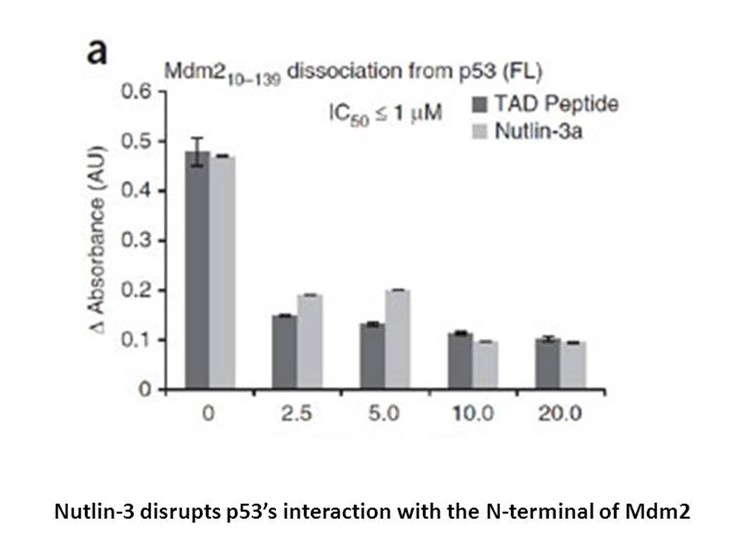
Other strategies for ferroptosis In addition to ROS-generating and GPX4 inactivating nanomaterials, small molecules and genetic manipulation targeting key factors in the ferroptosis pathway have also been tested for their anticancer effects [39,47,48]. Among a myriad of proteins involved in ferro
-
Introduction RNA splicing occurs in the nucleus
2022-03-22
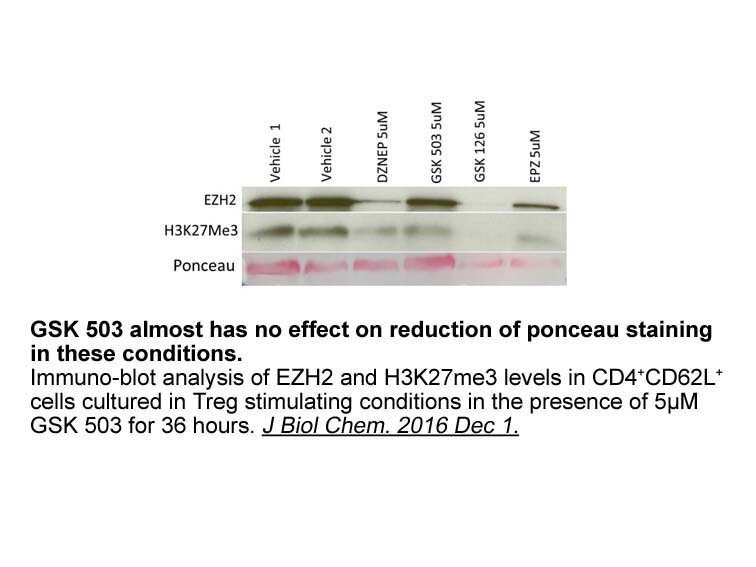
Introduction RNA splicing occurs in the nucleus when noncoding sequences (introns) are removed from the pre-mRNA transcript and coding sequences (exons) are joined to form a mature mRNA [1,2]. This reaction is catalyzed by a multiprotein complex called spliceosome. The spliceosome consists of five
-
In a preliminary communication we showed that AT and
2022-03-22
In a preliminary communication, we showed that AT and ETB receptors colocalize and coimmunoprecipitate in renal proximal tubule cells, and stimulation of the AT receptor increases ETB receptor expression in Wistar-Kyoto (WKY) rats [abstract; Zeng C,, 26:80A, 2003]. We hypothesize that the ETB recept
8431 records 514/563 page Previous Next First page 上5页 511512513514515 下5页 Last page