Archives
- 2026-09
- 2026-08
- 2026-07
- 2026-06
- 2026-05
- 2026-04
- 2026-03
- 2026-02
- 2026-01
- 2025-12
- 2025-11
- 2025-10
- 2025-09
- 2025-03
- 2025-02
- 2025-01
- 2024-12
- 2024-11
- 2024-10
- 2024-09
- 2024-08
- 2024-07
- 2024-06
- 2024-05
- 2024-04
- 2024-03
- 2024-02
- 2024-01
- 2023-12
- 2023-11
- 2023-10
- 2023-09
- 2023-08
- 2023-07
- 2023-06
- 2023-05
- 2023-04
- 2023-03
- 2023-02
- 2023-01
- 2022-12
- 2022-11
- 2022-10
- 2022-09
- 2022-08
- 2022-07
- 2022-06
- 2022-05
- 2022-04
- 2022-03
- 2022-02
- 2022-01
-
For the two KO models CX and CX fluorescence recovery
2022-05-19
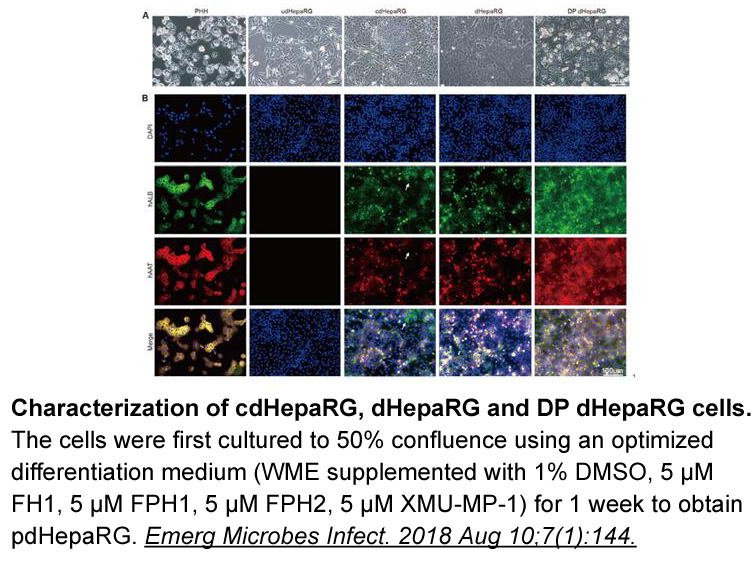
For the two KO models (CX30 and CX43), fluorescence recovery is almost always best fitted with a 2-component exponential (Fig. 6A and D). Statistical analysis of the parameters (Table 1) shows that in both cases the two time scales and the fraction of recovery associated with the fast intracellular
-
Melatonin In the a first in vitro indication of modulation o
2022-05-19
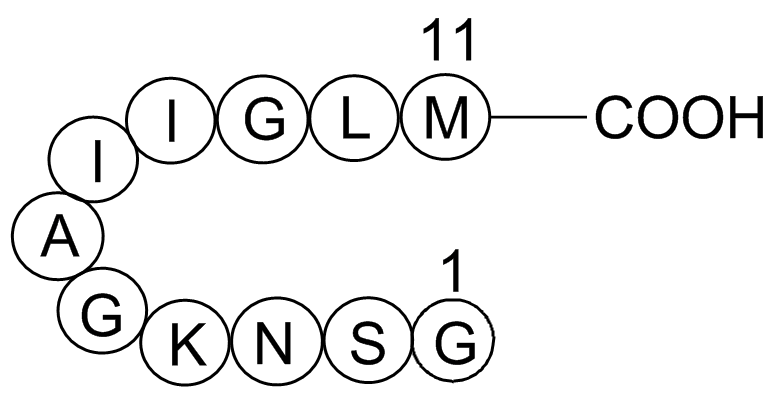
In the 2003, a first in vitro indication of modulation of FXR expression in CRC showed that FXR expression was absent in undifferentiated colon carcinoma cell line SW480, while it was progressively increasing along with the degree of cell differentiation in Caco2 and HT29 cells, and its transcriptio
-
In addition to attenuating joint inflammation
2022-05-19

In addition to attenuating joint (-)-MK 801 via T cells, Cpd43 could also decrease the severity of CIA/AIA by suppressing the function of innate leukocytes such as neutrophils and macrophages via FPRs, as has been shown in other acute inflammatory models including neutrophil/macrophage-mediated K/B
-
Two recently developed highly specific
2022-05-19
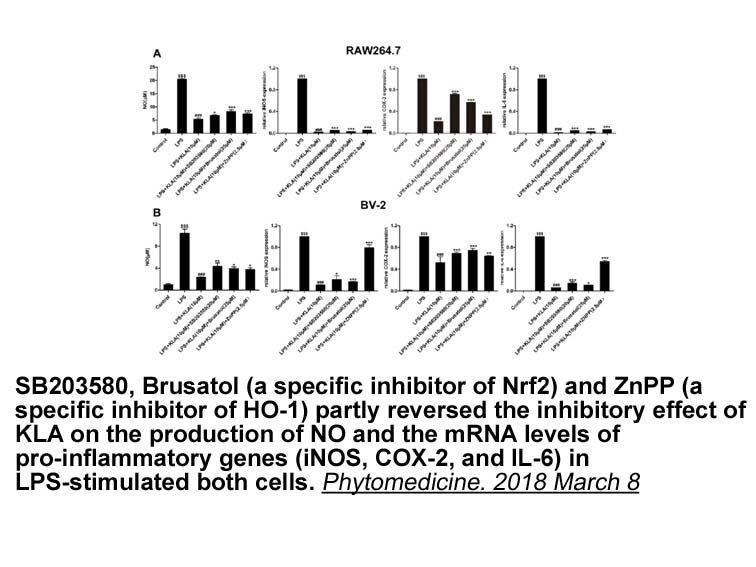
Two recently developed, highly specific EZH2 enzymatic inhibitors, GSK126 and EPZ-6438, are currently in clinical trials for treating lymphomas (Kim and Roberts, 2016). Although these EZH2 inhibitors have shown antitumor effects in lymphoma cells with enzyme-activating mutations of EZH2 (Knutson et
-
This study has some limitations The
2022-05-19
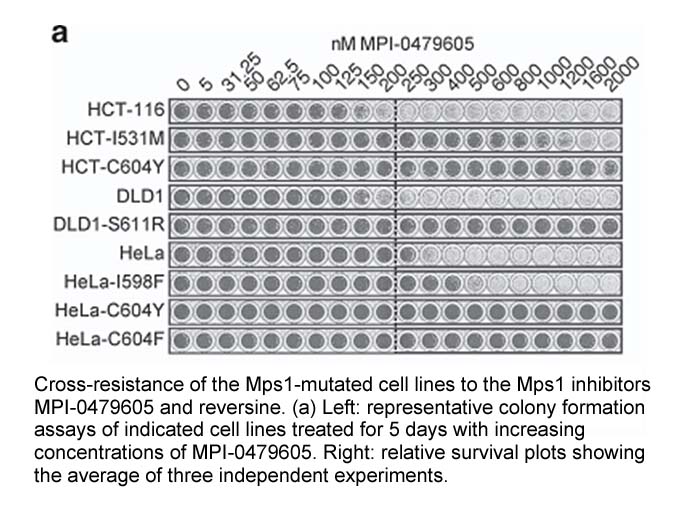
This study has some limitations. The RDS technique was not effective for the population of MSM from Natal, as it has not reached the sample size initially calculated. Few seeds had enough waves to disperse the sample and make it closer to a probabilistic sample, even with all efforts from the resear
-
l-name br H R agonists In
2022-05-19
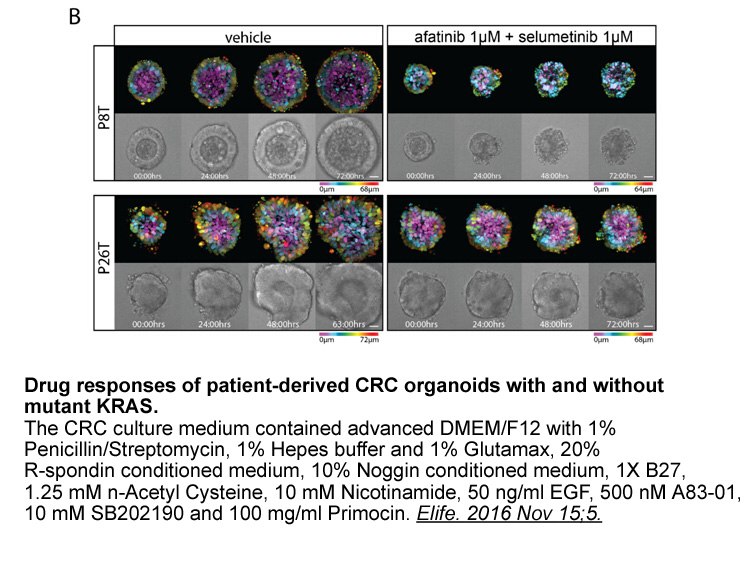
H2R agonists In search for potent and selective H2R agonists, comprehensive structure–activity relationship studies have been conducted and led to the first H2R agonists, e.g. 4(5)-methylhistamine (16) which is actually now used as selective H4R agonist (Fig. 4) (Durant et al., 1975, Lim et al.,
-
Several named antagonist ligands have figured noticeably in
2022-05-19

Several named antagonist ligands have figured noticeably in preclinical studies, with proved clear ability to release neurotransmitters and having efficacy in preclinical animal models. Consequently, this has encouraged ongoing research on improved agents with potency, selectivity, and better drug-l
-
The first suggestion that histamine may
2022-05-19
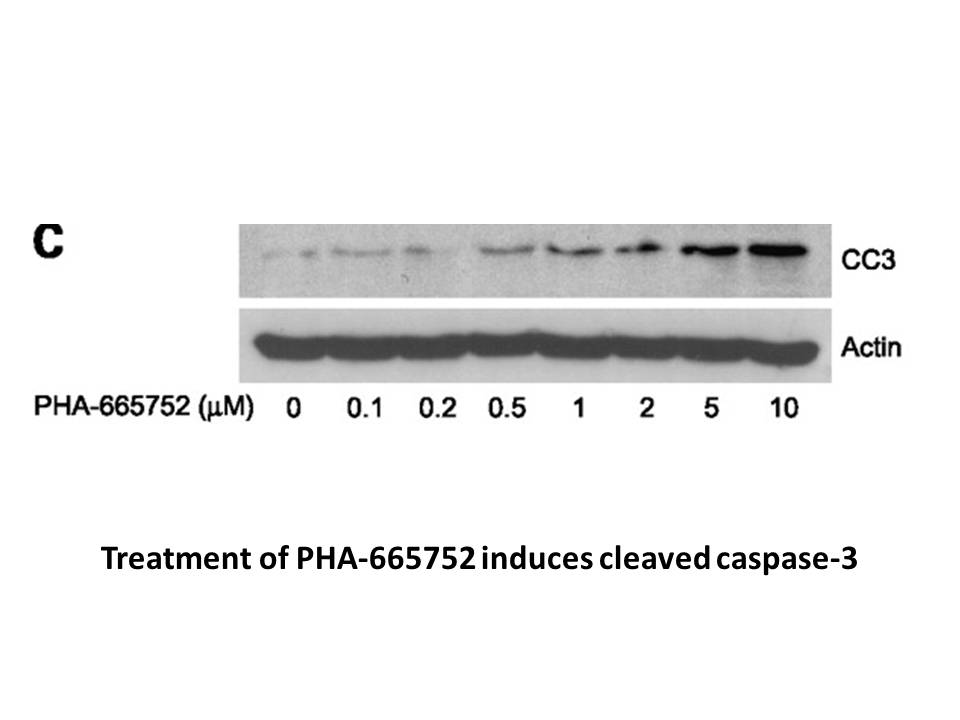
The first suggestion that histamine may play a role in memory consolidation was from Almeida and Izquierdo (de Almeida & Izquierdo, 1986) who showed that the immediate posttraining intracerebroventricular (i.c.v.) administration of 1–10ng of the drug were found to enhance the retention of one-trial
-
Several bacterial functional pathways were
2022-05-19
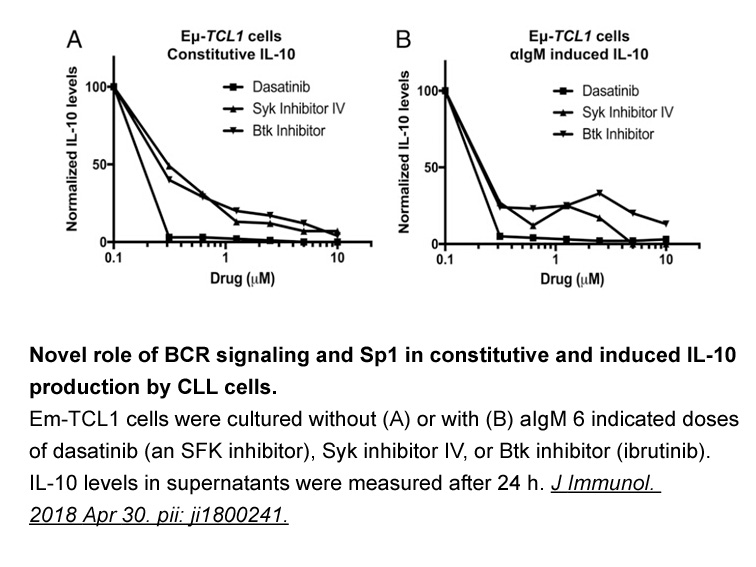
Several bacterial functional pathways were observed after DON administration, of which signal transduction, metabolism and genetic information processing displayed the highest levels of enrichment. Importantly, these three pathways were reported to be closely associated with DON's toxicity. Many ev
-
The prevalence of hepatitis C virus
2022-05-18
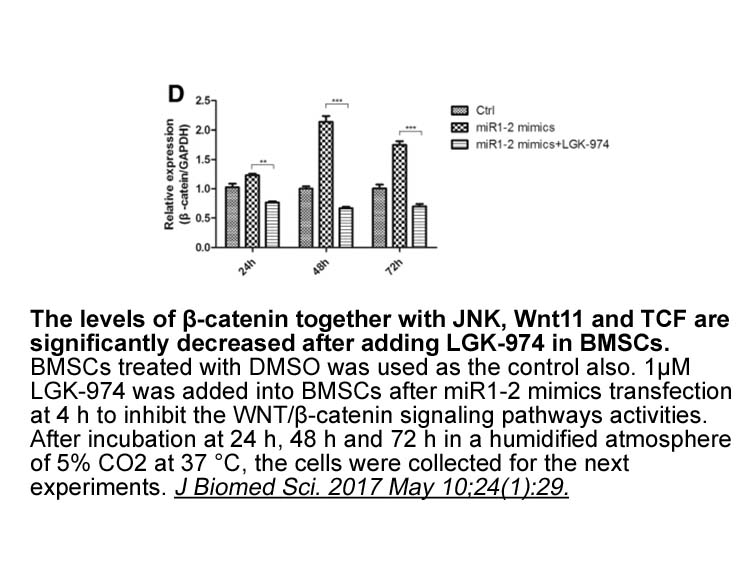
The prevalence of hepatitis C virus (HCV) infection in p.C282Y homozygotes in North America is unknown. We determined the prevalence of anti-HCV antibody and HFE genotype and serum ferritin (SF) associations in non-Hispanic white participants in the Hemochromatosis and Iron Overload Screening (HEIRS
-
The relaxant response to carperitide was influenced neither
2022-05-18
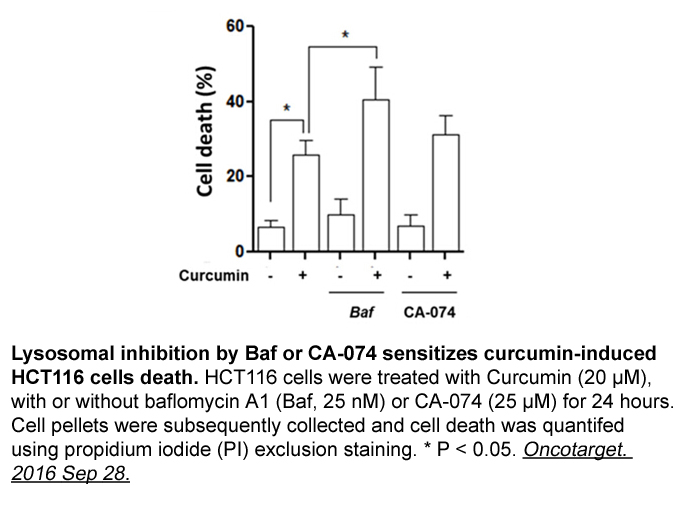
The relaxant response to carperitide was influenced neither by the removal of the endothelium nor by treatment with the nitric oxide synthase inhibitor or nitric oxide scavenger. This result was to be expected as previous studies showing that the vasodilator action of atrial natriuretic peptide is e
-
Recently it was found that hypoxia results
2022-05-18
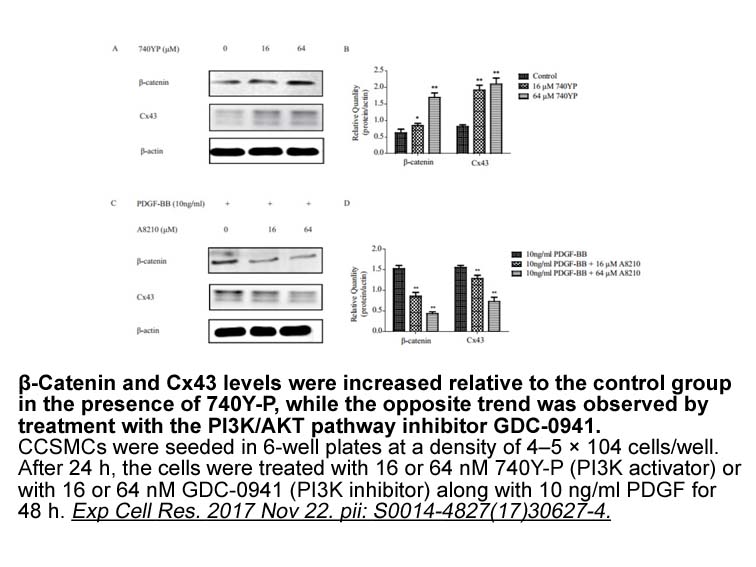
Recently, it was found that hypoxia results in the phosphorylation of β-catenin at Y654 in a Src-dependent manner (Xi et al., 2013). All β-catenin phosphorylated at this residue was found complexed with Hif1α and it was demonstrated that this β-catenin phosphorylation was required for Src to promote
-
Beside its role in NF B and IL activation
2022-05-18
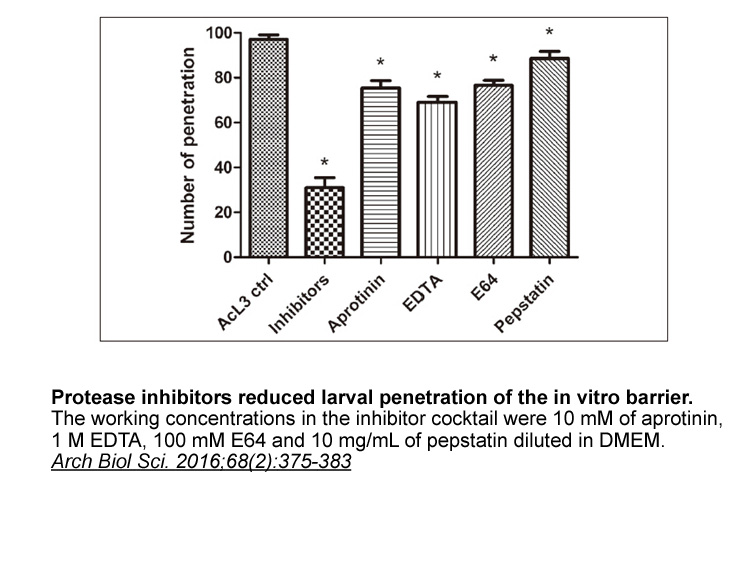
Beside its role in NF-κB and IL-1β activation, the NRLP3 pathway is closely involved in another essential pathophysiologic mechanism such as the cellular calcium homeostasis. Full activation of the NRLP3 inflammasome requires decreased extracellular K concentrations resulting in decreased osmotic pr
-
Our aim was to gain insight into
2022-05-18
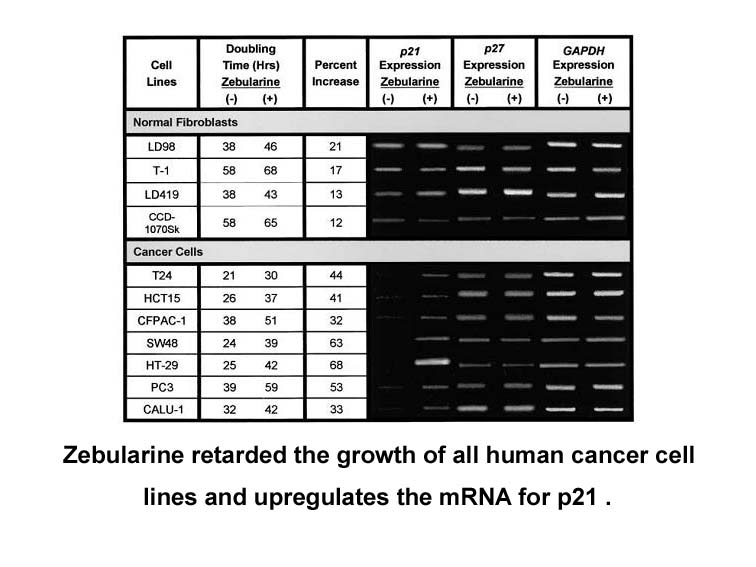
Our aim was to gain insight into mechanisms that underlie the contribution of thrombospondin-1 (TSP1) to progression of CKD. TSP1 is the most-studied member of the thrombospondin family of matricellular proteins. Previous studies have demonstrated that pharmacological suppression or genetic depletio
-
br Introduction The third variable V loop of the
2022-05-18
Introduction The third variable (V3) loop of the gp120 envelope glycoprotein (Env) on the surface of human immunodeficiency virus type 1 (HIV-1) becomes exposed after the virus binds CD4, the initial receptor; the V3 loop plays an important role in contacting the coreceptor CCR5 or CXCR4 to media
8431 records 483/563 page Previous Next First page 上5页 481482483484485 下5页 Last page